
Enhancing Healthcare Through Cultural Awareness
In today’s diverse world, healthcare professionals encounter patients from various cultural backgrounds. To deliver effective care, understanding cultural differences is crucial. This is where training programs focusing on cross-cultural competence play a vital role. They bridge the gap between healthcare providers and patients, ensuring better patient outcomes and satisfaction. By equipping medical staff with skills to understand and respect cultural nuances, these programs foster an inclusive environment that benefits both practitioners and patients.
The Importance of Cultural Competence in Healthcare
Cultural competence is essential in healthcare for several reasons. Firstly, it improves communication between doctors and patients. Miscommunication can lead to misunderstandings about medical conditions or treatments. Secondly, it builds trust. Patients are more likely to follow medical advice if they feel understood and respected. Lastly, cultural competence enhances patient safety by reducing the risk of incorrect diagnoses or treatment plans due to cultural misinterpretations.
How Medical Training Can Foster Cultural Awareness
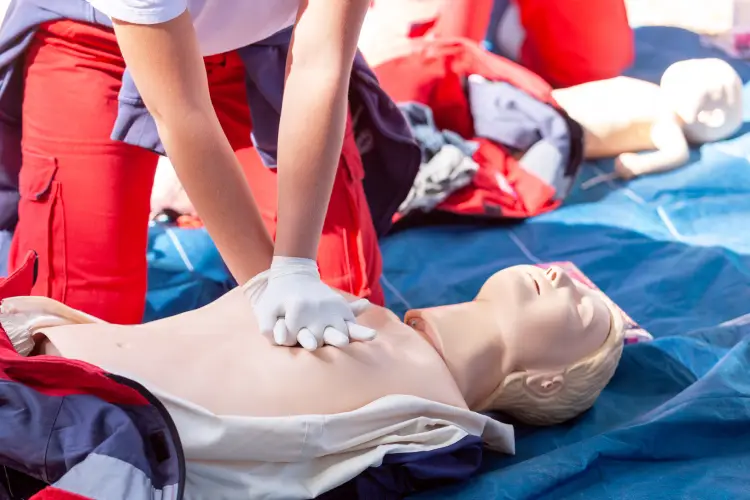
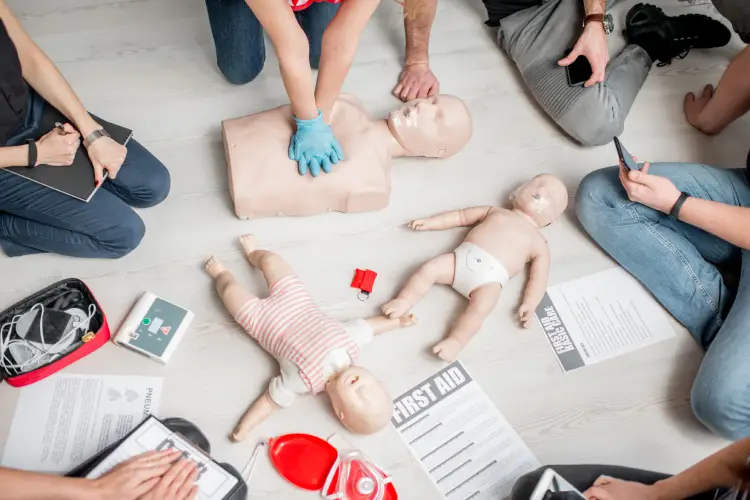
Training sessions aimed at improving cross-cultural competence significantly affect healthcare delivery. These sessions include interactive exercises, case studies, and role-playing scenarios that help staff recognize their biases. By participating in medical training courses, healthcare workers learn practical strategies to address cultural barriers effectively.
Benefits of Culturally Competent Care
The advantages of culturally competent care extend beyond individual interactions. It leads to improved health outcomes across communities by reducing disparities in access to healthcare services. Furthermore, institutions known for their commitment to diversity often attract a wider patient base, enhancing their reputation and reach.
Common Challenges in Achieving Cross-Cultural Competence
Despite its importance, achieving cultural competence presents several challenges. One major obstacle is the lack of resources for proper training programs. Moreover, some healthcare professionals may resist change due to ingrained habits or misconceptions about other cultures. Overcoming these barriers requires dedication from both individuals and institutions.
Practical Steps to Implementing Effective Training Programs
Implementing successful cultural competence training involves several key steps:
- Assess the specific needs of your organization and identify areas needing improvement.
- Select qualified trainers who have experience with diverse populations.
- Develop comprehensive curricula that include real-world examples and practical applications.
- Encourage feedback from participants to continually refine the program.
Best Practices for Enhancing Cultural Competence
Experts recommend a few best practices for boosting cultural awareness in healthcare settings:
- Regularly update training materials to reflect current cultural trends and practices.
- Create partnerships with community organizations representing different cultures.
- Promote open dialogue among staff about cultural experiences and challenges.
- Encourage continuous learning through workshops and seminars.
The Role of Industry Standards in Ensuring Quality Training
Adhering to industry standards ensures that training programs are both effective and credible. Accreditation bodies provide guidelines that outline the necessary components of a robust training curriculum. By aligning with these standards, healthcare facilities can guarantee consistent quality in their educational initiatives.
Understanding Cost Considerations
The cost of implementing cross-cultural competency training varies based on factors like program length and resources required. While initial investments might seem high, the long-term benefits-such as reduced liability risks and enhanced patient loyalty-provide significant returns. Institutions should consider these aspects when budgeting for such initiatives.
Moving Forward With Cultural Competence
Cross-cultural competence is no longer optional; it’s a necessity for modern healthcare systems. As you work towards integrating these practices within your organization, remember that 3K's Training Institute offers support every step of the way. Contact us at (985) 261-3093 to explore how we can assist you further. Our team, based in Hahnville, LA, is dedicated to helping you transform your healthcare practice into a culturally inclusive environment.