
Enhance Efficiency and Quality in Your Workshop
In the modern manufacturing world, efficiency and precision are key. Companies constantly look for ways to improve their production processes. One effective strategy is providing specialized training for their welders. Skilled welders not only enhance productivity but also ensure higher quality of work. With proper training, teams can minimize errors, reduce waste, and meet tight deadlines. This guide explores how targeted training programs can elevate your business performance.
The Impact of Skilled Workers on Workflow
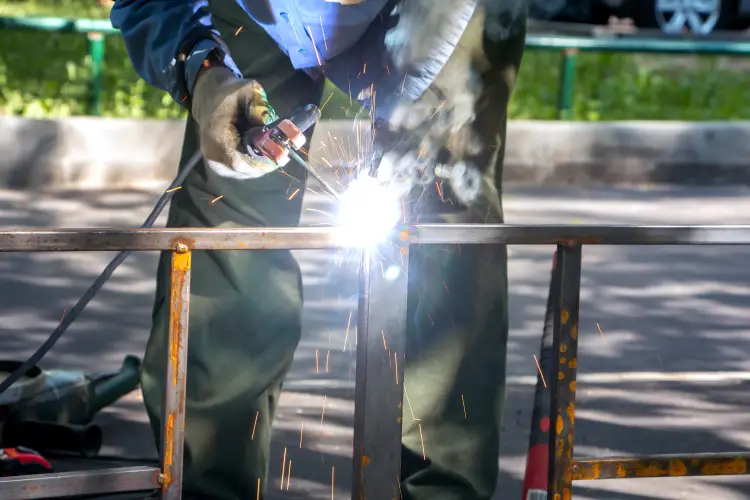
Skilled workers are essential for maintaining a smooth workflow. When employees receive welding training, they gain valuable skills that directly impact their daily tasks. Knowledge of advanced techniques allows them to execute projects more efficiently. Additionally, well-trained welders contribute to fewer mistakes on the job. This reduction in errors leads to less rework, saving time and resources in the long run.
Common Challenges Without Proper Training
Without adequate training, several issues can arise in a workshop environment. Untrained welders may produce inconsistent results, leading to increased defects. These errors can result in costly material wastage and extended project timelines. Moreover, lack of knowledge about safety procedures increases the risk of workplace accidents. Addressing these challenges through an effective training program can significantly improve overall productivity.
Strategies for Effective Workforce Development
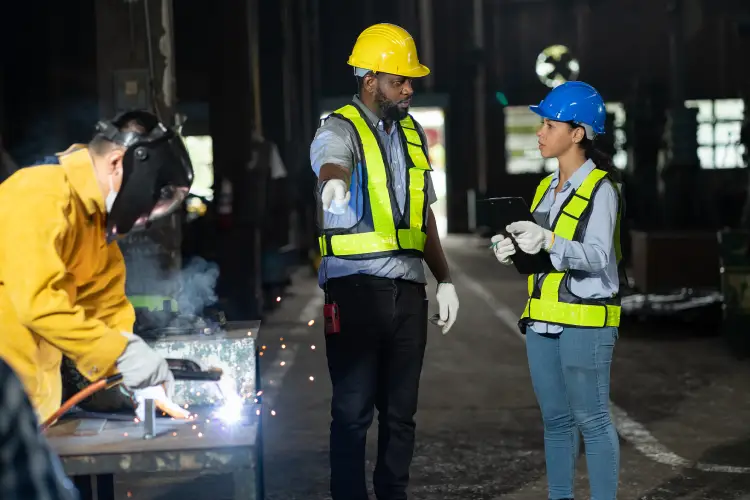
To implement successful training programs, companies should focus on key strategies that align with their goals. Firstly, assess the current skill levels of your team to identify gaps. Secondly, customize training modules that address specific weaknesses or industry demands. Lastly, incorporate hands-on practice sessions to reinforce learning. Regular assessments can help track progress and make necessary adjustments.
- Assess current skill levels
- Customize training modules
- Incorporate hands-on practice sessions
Best Practices for Continuous Improvement
Continuous improvement is crucial for maintaining high standards in any workshop. Encouraging ongoing learning ensures that workers stay updated on new technologies and methods. Providing access to certifications helps validate skills and motivates employees to pursue excellence. Additionally, feedback loops between supervisors and staff create opportunities for growth and development.
- Create a culture of continuous learning
- Offer certification opportunities
- Facilitate open communication channels
Understanding Industry Standards and Compliance
Compliance with industry standards is non-negotiable in welding practices. Strict adherence ensures safety and quality across all projects. Training programs should include modules focused on understanding these standards. By staying compliant, companies protect both their employees and clients while enhancing their market reputation.
Navigating Cost Considerations in Training Programs
Budget constraints are often a concern when planning training initiatives. However, investing in employee development yields significant returns over time. Improved productivity and reduced error rates lead to lower operational costs. Businesses should view training expenses as an investment rather than a cost center, ensuring long-term benefits outweigh initial outlays.
Your Path to Enhanced Productivity
As you consider implementing welding training programs at 3K's Training Institute, remember that skilled welders are invaluable assets to any operation. Investing in comprehensive training not only boosts productivity but also safeguards quality and safety standards. Our experts are dedicated to helping your team excel. Based in Hahnville, LA, we provide tailored solutions designed to meet your unique needs. Contact us today at (985) 261-3093 to learn more about how our services can benefit your company.